
Sativa vs Indica: A Complete Guide to Cannabis Strains
Key Takeaways
Sativa and indica are a useful starting point: sativa is commonly associated with daytime energy and a clear head, while indica is linked with evening calm and relaxation. Most strains today are hybrids, so the label is a guide rather than a guarantee. The more reliable signal is the terpene profile, the natural compounds that shape how a strain smells, tastes, and feels, whichever side it leans toward. Consistent indoor cultivation and independent lab testing matter just as much, since even strong genetics can be unpredictable without a stable, controlled grow environment.
Sativa and indica are the two terms you will hear most in any cannabis conversation, yet many people are unsure of what they actually mean. The difference between sativa vs indica is a useful shorthand for predicting how a strain might feel, though it tells only part of the story. The plant’s species provides an initial hint; its genetics, cultivation environment, and chemical makeup complete the picture. Knowing the distinctions and the factors influencing each type of experience simplifies selecting the appropriate flower for the occasion, whether for daytime focus or nighttime relaxation.
What Is the Difference Between Sativa and Indica?
Sativa and indica originated as botanical terms indicating the plant’s appearance and place of origin. Tall and narrow with long, slender leaves, sativa plants originate from warm, equatorial areas. Originating from cooler mountain regions, Indica plants are characterized by their short, bushy stature and broad leaves. These origins shaped these plants, yet they don’t dictate how any specific strain will feel.
Hybrid strains make up almost all of the cannabis cultivated presently, a fact often overlooked in general summaries. The majority of current cannabis strains are hybrids due to extensive crossbreeding over many years, making it uncommon to find pure sativa or indica varieties. Every cultivar we craft at Medicana Lab is a hybrid, blending traits from each side in different proportions. Comparing sativa vs indica is, therefore, a useful starting point rather than a complete one.
Categories remain because they provide a simple, memorable method for discussing cannabis. The problem arises because two plants with identical labels might act quite differently once they are in your home. The real distinctions between the types of cannabis come down to chemistry rather than category, so the next step is to look at how a strain is actually built.
Sativa vs Indica Effects: What to Expect
In the traditional shorthand, sativa is the daytime choice, associated with uplifting, energetic, and creative feelings. Indica is the evening option, linked with calm, relaxed, and mellow sensations. This framing is not wrong, and it reflects what many people experience.
In reality, sativa vs indica effects come down to more than plant type. A strain’s genetic ratio plays a role, and so does its terpene profile: the natural compounds that influence how cannabis makes you feel. Two strains carrying the same label can produce noticeably different results.
Other factors also influence the result. The potency of a strain is affected by your body’s unique chemistry, your consumption habits, and the way you use it, with the quality of the cannabis itself being equally important. This is one reason we invest so heavily in clean, consistent cultivation. Controlling all variables in the grow room and independently testing each batch leads to a more predictable harvest experience, aligning with the needs of most patients and wellness-focused users.
Sativa vs Indica Taste and Smell Differences Explained
Much of a strain’s character comes from terpenes, the aromatic compounds found throughout the plant. They shape not only how a strain smells and tastes but frequently how it feels as well, working alongside cannabinoids to round out the experience.
As a general guide, sativa-leaning strains tend toward bright, fruity, citrusy, and piney notes, while indica-leaning strains tend toward earthy, musky, and sweet notes. These are tendencies rather than fixed rules, since the same terpene can appear in both. Even so, a strain’s terpene profile is one of the most reliable signals available. Myrcene brings a soft, herbal calm, limonene adds a citrus lift, and caryophyllene carries a peppery warmth.
This is also why aroma is such a practical tool when you are choosing in person. The scent of a flower often hints at how it will feel, and that can guide you more accurately than the name on the jar. Reading the terpenes reveals far more about a strain than comparing sativa vs indica alone, and it is a simple habit that makes selecting your next flower more straightforward.
Medicana Lab Strains: Find Your Fit
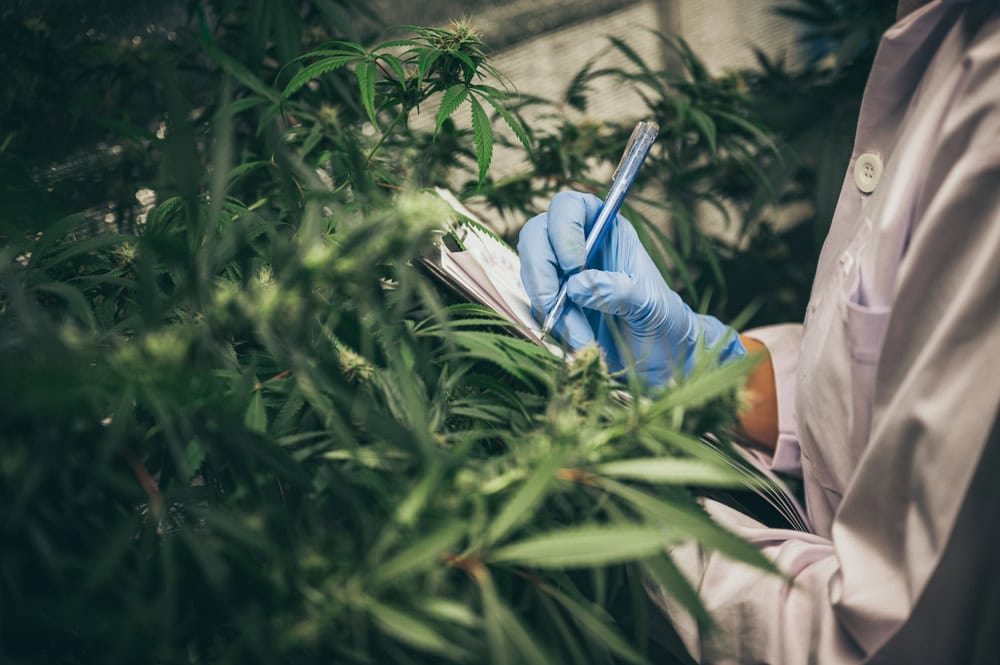
Every cultivar in our lineup is grown indoors at our licensed Bangkok facility and lab-tested to medical-grade standards, so you always know exactly what you are getting. Each one carries hybrid genetics, some leaning sativa-dominant, each with its own terpene profile and character. The table below sets out the type, common effects, and dominant terpenes for each strain, which makes it easier to match a cultivar to the experience you are after:
| Strain | Type | Effects | Terpenes |
|---|---|---|---|
| Star Dawg | Hybrid | Happy, uplifting, euphoric | Myrcene, caryophyllene |
| Ultra Thai | Sativa dominant | Energetic, uplifting, happy | Myrcene, terpinolene |
| Durban Poison | Sativa dominant | Uplifting, energetic, happy, creative | Myrcene, terpinolene |
| Double Dawg | Hybrid | Happy, chill, talkative, euphoric | Terpinolene, bisabolol, humulene |
| Cape Candy | Sativa dominant | Energetic, calming, talkative, mellow | Myrcene, caryophyllene, pinene |
| Strawberry Cookies | Sativa dominant | Energetic, talkative, tingly | Myrcene, caryophyllene, pinene |
| White Widow | Hybrid | Creative, energetic, euphoric, happy, uplifting | Myrcene, limonene, caryophyllene |
Whether you prefer a bright daytime lift or something more easygoing in the evening, there is a fit here. You can browse all strains of weed on our products page for current availability and full details.
Find Your Right Strain
Knowing how sativa vs indica differ is a genuinely useful starting point. It offers a quick sense of what to expect, from an energizing lift to a calmer, more relaxed feel. The fuller story, however, lies in the terpene profile and the care that goes into cultivation. Once you know what you are looking for, finding the right strain becomes much easier.
Every Medicana Lab cultivar is grown indoors at our GACP-certified Bangkok facility, with a full COA on every batch. One clean source, start to finish. We grow all strains of weed in-house, and if you would like to see how it happens, our cannabis farm tour in Bangkok walks you through the cultivation process from clone to cure. In line with Thailand’s medical cannabis framework, cannabis at Medicana is available to patients with a valid prescription from a licensed Thai doctor.
To learn more about our strains or plan a visit, reach out on LINE @medicanalab or WhatsApp at +66-92-247-9799. We are glad to help you choose with confidence.
References
- What Is Sativa vs. Indica? Key Differences Explained. Retrieved on 5 June, 2026 from https://scienceinsights.org/what-is-sativa-vs-indica-key-differences-explained/
- Beyond Indica and Sativa: Understanding Cannabis through Terpene Profiles. Retrieved on 5 June, 2026 from https://curaleafclinic.com/beyond-indica-and-sativa-understanding-cannabis-through-terpene-profiles/
Frequently Asked Questions About Sativa and Indica
Sativa vs indica: which gives you more energy?
Sativa-leaning strains are traditionally linked with more energetic, uplifting, daytime effects, while indica-leaning strains are associated with calmness and relaxation. That said, sativa vs indica effects depend on the terpene profile, your body, and the amount you take, so two strains with the same label can still feel quite different.
Do sativa and indica really taste and smell different?
Often, yes, and it comes down to terpenes. Sativa-leaning strains tend toward fruity, citrus, and pine aromas, while indica-leaning strains lean toward earthy, musky, and sweet. These are tendencies rather than rules, since the same terpenes appear in both, but smell is still a reliable clue to how a strain will feel.
What is the best cannabis strain for beginners?
There is no single answer, but beginners generally do better starting with a hybrid rather than something heavily sativa or indica-dominant. A balanced terpene profile and a lower dose make the experience more manageable. Choosing a flower that has been independently lab-tested for consistent cannabinoid levels also takes a lot of the guesswork out.