
Key Takeaways:
Cannabis can be consumed through inhalation, oral products, or topicals, each with different onset times, effect durations, and levels of dosage control. The “start low, go slow” principle applies universally to medical cannabis dosage, particularly for oral products where delayed onset makes it easy to overconsume. Choosing lab-tested products with transparent cannabinoid reporting is one of the most important factors in a safe, consistent cannabis experience.
Smoked, eaten, or applied to the skin, cannabis behaves very differently depending on how it enters the body. The method decides how quickly effects begin and how long they last. The dose decides whether the experience is manageable or overwhelming. And the product itself decides whether the numbers on the label mean anything at all. Learning how to use cannabis with confidence starts with understanding method, dose, and product together, and once they click into place, the whole experience becomes more predictable and easier to repeat.
What Are Common Ways to Use Cannabis?
Cannabis is most commonly consumed through three main methods, each with a different onset, duration, and level of dosage control:
- Inhalation (smoking and vaping): Effects begin within minutes and typically last two to four hours. Dry herb vaporizers heat cannabis without combustion, producing a smoother experience with less lung irritation than smoking
- Oral consumption (edibles, oils, and capsules): Effects take 30 to 120 minutes to begin but last significantly longer, often six to twelve hours. Oils and tinctures placed under the tongue are absorbed faster than swallowed edibles. Because of the delayed onset, oral products are the easiest to overconsume when patience runs short
- Topicals (creams, balms, and patches): Applied directly to the skin for localized use. Systemic absorption is minimal, meaning the effects stay confined to the applied area rather than reaching the whole body
The right choice depends on the goal. Quick, short-duration effects usually call for inhalation, while longer, more sustained effects favor oral products. Topicals suit those focused on a specific area rather than a full-body experience.
How to Use Cannabis Flower
How to use cannabis plant material starts with the flower, which remains the most commonly used and most versatile form of the plant. Flower is the raw source material for most finished cannabis products, and its uses extend well beyond inhalation. It can be prepared into home-infused oils, butter, or tinctures, though anything prepared at home comes with a caveat: dosage is significantly harder to measure without a lab-tested product, which is why most patients stick with pre-tested options for consistent results.
How you store flower matters as much as how you use it. Cannabis flower should be kept in a cool, dark, sealed container to preserve its aroma, potency, and cannabinoid profile over time. Poor storage leads to dried-out material, faded terpenes, and reduced effect, none of which are recoverable once they set in.
Different ways to use cannabis flower share a common starting point: choosing the right product. Look for flower with clear labeling that shows cannabinoid content (THC and CBD percentages) alongside terpene profiles on a Certificate of Analysis (COA). A COA is an independent laboratory report that verifies exactly what is in the product, giving confidence in both quality and dosage.
Cannabis Dosage Basics
The widely recommended approach to medical cannabis dosage is “start low, go slow.” This means beginning with a small dose and increasing gradually over several days until you find what works for you. With inhalation, take small puffs and pause between each to gauge the effect. With oral products, the delayed onset makes patience essential, since accidental overconsumption is easier with edibles than most people expect. Keeping a simple log of dose, method, time, and observed effects makes patterns easier to spot and cultivars easier to compare over time.
CBD-dominant products typically produce milder effects than THC-dominant products, which makes them a common starting point for beginners exploring cannabis compounds without a strong psychoactive experience. CBD has also been the subject of ongoing scientific study across specialized medical areas. Research on CBD and seizure conditions, for example, has been an active field of study, with findings continuing to be published in peer-reviewed medical literature. These are highly specialized applications that require diagnosis and monitoring from a qualified medical practitioner rather than personal experimentation.
For patients taking medications for blood pressure, blood thinning, or mental health, discussing cannabis with a licensed Thai doctor before starting helps identify potential interactions early, particularly since medical cannabis in Thailand is regulated within a defined medical-use framework.
Safety Tips for Responsible Cannabis Use
Cannabis, like any active compound, requires responsible use. A few key considerations for safety:
- Do not drive or operate heavy machinery after consuming cannabis, as coordination and reaction time can be affected
- Avoid combining cannabis with alcohol or other substances that increase sedation, since combined effects can be significantly stronger than expected
- Cannabis use is strongly discouraged during pregnancy, breastfeeding, and adolescence, based on current medical guidelines
- Store all cannabis products securely away from children and pets
- If you experience discomfort at any point, reduce your dose or discontinue use and consult a qualified medical professional
Following these guidelines helps ensure a safer, more predictable experience with cannabis.
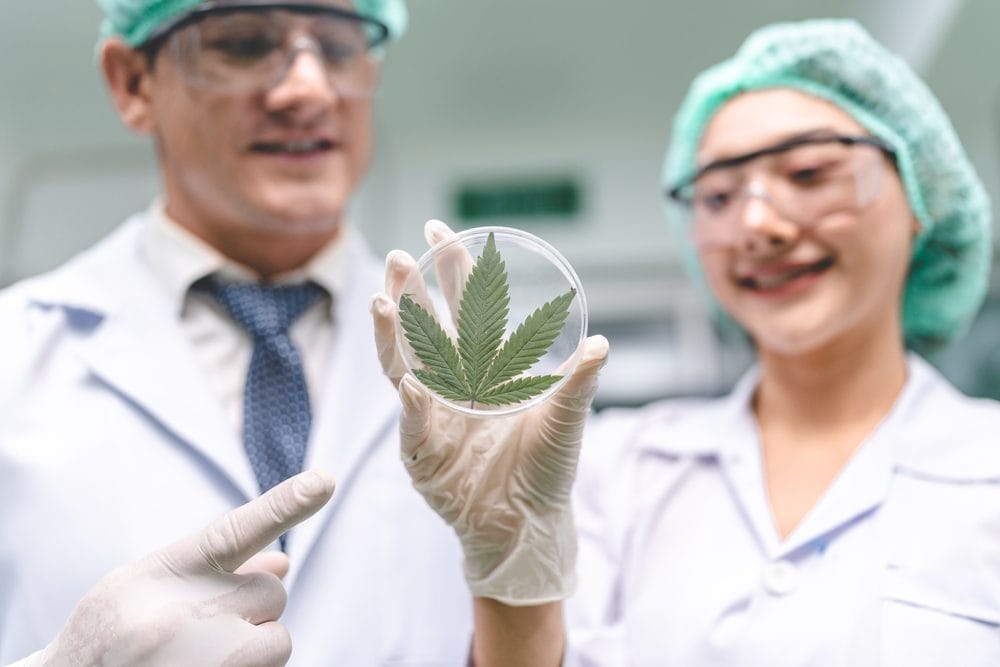
Informed Use, Trusted Source
A safe cannabis experience comes down to three things: understanding the method that suits you, respecting the dose, and knowing what is actually in the product you are using. The first two come with practice. The third depends entirely on the source.
At Medicana Lab, every cultivar is grown in-house at our GACP-certified facility in Wang Thonglang, Bangkok, and each batch comes with a full COA. Cannabinoid percentages, terpene profiles, and purity results are on record before anything leaves the lab, so patients and physicians can make decisions based on documentation rather than guesswork.
Under Thailand’s Ministry of Public Health 2025 framework, a valid Thai medical prescription is required for all cannabis purchases. At Medicana Lab, prescriptions are issued in-store during your visit, on the same day, with no prior clinic appointment or external doctor needed.
To see our current cultivars of premium medical cannabis in Bangkok, take a look at our products page or message our team on LINE @medicanalab or WhatsApp +66-92-247-9799.
References
- Cannabis (Marijuana). Retrieved 8 September 2026, from https://nida.nih.gov/publications/research-reports/marijuana
- Cannabidiol for the Treatment of Refractory Epilepsy in Children: A Critical Review of the Literature. Retrieved 8 September 2026, from https://www.ncbi.nlm.nih.gov/pmc/articles/PMC9273119/
Frequently Asked Questions About How to Use Cannabis
How much cannabis should a beginner start with?
For beginners, starting with a very small amount is essential regardless of the method. With inhalation, a single small puff is enough to gauge the effect before considering more. With oral products, a low milligram amount is the standard starting point, followed by patience for the delayed onset. Whatever the method, going slow is the single biggest factor in a positive first experience, and CBD-dominant products often work well for anyone new to cannabis.
How do people normally take cannabis?
The most common method depends on the intended experience. Inhalation is often chosen for quick, short-duration effects and easier dose control. Oral products like tinctures, oils, and edibles are popular for longer-lasting effects, though the delayed onset requires patience. Topicals are typically used for localized application when a full-body experience is not desired.
What are the guidelines for the proper use of medical cannabis?
The core guidelines for responsible medical cannabis use include starting with a low dose and increasing gradually, choosing lab-tested products with clear COA reporting, avoiding cannabis when driving or operating machinery, and consulting a licensed medical professional if you take other medications. In Thailand, a valid Thai medical prescription is required for all cannabis purchases, and any medical use should be guided by a licensed Thai doctor.
Can you build a tolerance to cannabis?
Yes, regular cannabis use can gradually reduce sensitivity to THC over time, which is why some people notice that the same dose feels less potent the more they use it. Taking short breaks from cannabis generally helps sensitivity return within a few days to a few weeks. Starting with the lowest effective dose and varying methods can also help slow the process of tolerance building.