
Can Weed Help You Sleep? A Guide to Cannabis for Insomnia
Key Takeaways
Indica and indica-dominant strains with myrcene or linalool terpenes are typically the better choice for sleep, while THC speeds up sleep onset and CBD eases the anxiety that keeps you awake. THC suppresses REM sleep at higher doses, so lower doses and higher CBD ratios help protect memory and mood. Long-term nightly use builds tolerance and risks rebound insomnia, which makes a lower-dose, harm-reduction approach more sustainable.
While many talk about cannabis as a sleep aid, its actual effect on sleep is quite complex. Different strains have varying effects, so what aids one person’s sleep might not work the same for someone else.
Weed treatments for insomnia are a possible option under a Thai prescription, but there are notable differences between strains, compounds, and doses to know before committing to one, including indica or sativa for sleep, THC versus CBD, and how to get REM sleep while smoking weed without sacrificing long-term sleep quality.
How Cannabis Affects Sleep
Your body’s Endocannabinoid System (ECS) plays a direct role in regulating sleep cycles, mood, and pain perception. The cannabinoids in cannabis interact with this system and can shift how easily you drift off and how deeply you stay asleep.
Research suggests THC tends to shorten the time it takes to fall asleep and may increase deep sleep in the short term. CBD works differently, generally producing a calmer baseline by easing anxiety and physical discomfort without any psychoactive effect. Outcomes vary widely from person to person, since dose, strain quality, and your own body chemistry all influence the result.
Even within the same strain, two people can have very different experiences, which is why a one-size-fits-all approach rarely works when you’re using cannabis for sleep support.
Indica or Sativa: Which is Better for Sleep and Insomnia?
The traditional rule of thumb is simple: indica or sativa for sleep usually points toward indica or indica-dominant hybrids. These strains are commonly linked to relaxation, body heaviness, and sedation. Sativa strains are lean, uplifting, and energising, which makes them better suited for daytime use.
The catch is that most cannabis on the market today is hybrid, so the indica/sativa label alone is no longer the most reliable guide. The terpene profile often tells you more about how a strain will actually feel. Sleep-friendly terpenes to look for on a Certificate of Analysis (COA) include the following:
- Myrcene: linked to sedative, muscle-relaxing effects
- Linalool: associated with calm and reduced anxiety
- Caryophyllene: noted for stress and tension relief
When you have lab-tested cannabis with clear terpene data, you can pick a strain based on its actual chemistry.
THC vs CBD for Sleep, Which Is More Effective?
THC can speed up how quickly you fall asleep, but regular nightly use may disrupt your sleep architecture over time. The deep sleep boost is real in the short term, but tolerance builds quickly, and the benefit tends to fade.
CBD takes a different route. It does not produce a high and supports sleep mainly by addressing the underlying issues that keep you awake, such as anxiety, racing thoughts, and physical discomfort. For many people, a balanced THC to CBD ratio works better than THC alone. A 1:1 ratio or a higher CBD ratio is often easier to tolerate for consistent use.
The most practical approach is to start with a low dose and adjust based on how your body responds, especially if you’re new to cannabis or to using it for sleep.
How to Get REM Sleep While Using Weed
Research indicates THC tends to suppress REM sleep. This may lead to fewer dreams or none at all when using cannabis regularly, which can feel like a relief if you experience nightmares or sleep disturbance. The trade-off is that REM is the stage tied to memory consolidation, learning, and emotional processing, and missing too much of it can affect mood and focus over time.
Still, if you’d like to know how to get REM sleep while smoking weed without giving up the benefits, a few adjustments can help:
- Use a lower dose: less THC means less REM suppression
- Choose higher CBD ratios: CBD does not affect REM the same way
- Avoid use too close to bedtime: give your body a buffer before sleep
- Take periodic breaks: tolerance breaks let your sleep architecture reset
Is Using Weed for Sleep Every Night Safe?
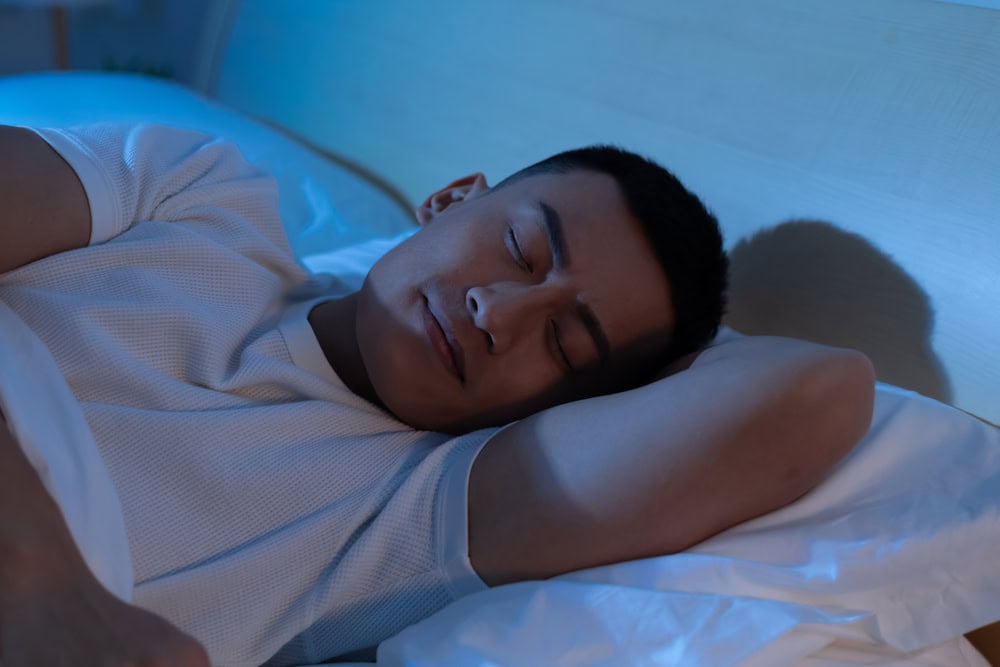
Short-term nightly use can work for some people, but long-term daily THC use comes with trade-offs, where tolerance builds, dependence can develop, and sleep quality often declines after a period of regular use. If you stop after months of nightly consumption, you may experience rebound insomnia, where sleep gets worse before it gets better. This is a commonly reported pattern in habitual users.
With that, a harm-reduction approach should be considered over escalating doses or going cold turkey. Use the lowest dose that works, take regular breaks, and treat cannabis as just one part of your broader sleep routine. Good sleep hygiene, including a consistent schedule, less screen time before bed, and lower stress levels in general, works with cannabis rather than against it.
And if anything, talk to your prescribing doctor about what makes sense for your situation.
Choosing the Right Cannabis Product for Sleep
The strain you choose only works if the product itself is consistent. When looking at options for medical-quality cannabis in Bangkok, look for the following:
- Indica or indica-dominant strains with sleep-supportive terpenes
- Clear THC and CBD percentages on the label
- A Certificate of Analysis (COA) from a third-party lab
- Transparent sourcing from a licensed cultivation facility
Pesticides, heavy metals, and mold can contaminate unverified cannabis, negatively impacting sleep and health. In Thailand, medical cannabis is legally available by prescription, and a GACP-certified, lab-tested product ensures consistent results to safely try with your sleep routine under your doctor’s supervision.
Find Your Sleep-Friendly Cannabis With Medicana Lab
Cannabis can support better sleep when you choose the right strain, compound profile, and dose, but the details matter more than the marketing. Knowing how indica differs from sativa, how THC compares to CBD, and how REM sleep responds to regular use puts you in a stronger position to make informed choices with your doctor.
At Medicana Lab, we’ve been growing premium medical-grade cannabis from our GACP-certified indoor facility in Wang Thonglang since 2022. We create every batch with HPLC-tested cannabinoid percentages, full terpene profiles, and independent contaminant screening, so you can match the right strain to your sleep goals with confidence.
View our range of medical-quality cannabis in Bangkok or contact us on LINE @medicanalab or WhatsApp at +66-92-247-9799 to find what works for you.
References
- Cannabis, Cannabinoids, and Sleep: a Review of the Literature. Retrieved on 4 June 2026 from https://pubmed.ncbi.nlm.nih.gov/28349316/
- Cannabis and Sleep. Retrieved on 4 June 2026 from https://www.sleepfoundation.org/sleep-aids/cannabis-and-sleep
- The Endocannabinoid System, Cannabinoids, and Pain. Retrieved on 4 June 2026 from https://www.ncbi.nlm.nih.gov/pmc/articles/PMC3820295/
Frequently Asked Questions About Weed Treatment for Insomnia
Is indica or sativa better for insomnia?
Indica and indica-dominant hybrids are traditionally linked to relaxation and sedation, making them the common choice for sleep. Sativa strains are more uplifting and better suited to daytime use. That said, the terpene profile often tells you more than the indica/sativa label alone. Look for myrcene, linalool, and caryophyllene on lab reports for sleep-supportive effects.
Is it safe to use weed for sleep every night long term?
Short-term nightly use can work for some people, but long-term daily THC use is associated with tolerance, dependence, and reduced sleep quality. Stopping after prolonged use can cause rebound insomnia. A harm-reduction approach that uses the lowest effective dose, takes regular breaks, and maintains proper sleep hygiene is more sustainable. Talk to your prescribing doctor about what fits your situation.
Does CBD work better than THC for sleep?
CBD does not produce a high and tends to support sleep by reducing anxiety, racing thoughts, and physical discomfort. THC can shorten sleep onset but may disrupt sleep architecture with regular use. For consistent nightly use, a balanced THC-to-CBD ratio or a CBD-dominant product is often easier to tolerate than THC alone.
How can you avoid losing REM sleep when using cannabis?
THC suppresses REM sleep at higher doses. To protect your REM cycles, use a lower dose, choose products with a higher CBD ratio, avoid using cannabis too close to bedtime, and take periodic tolerance breaks. These adjustments let your sleep architecture recover and maintain the memory and mood benefits REM provides.