
Key Takeaways:
Cannabis terpenes are the aromatic compounds that give each strain its distinctive scent, flavor, and character, working alongside THC and CBD through what is known as the entourage effect. Common terpenes such as myrcene, limonene, and pinene each carry different traits, ranging from calming to uplifting to focus-supporting. Reviewing terpene data on a lab-verified COA provides far more valuable information than strain names or THC percentages alone.
Two cannabis cultivars with nearly identical THC percentages can produce noticeably different experiences, and cannabis terpenes are usually the reason. These natural aromatic compounds are responsible for a strain’s scent, flavor, and a meaningful portion of its overall effects. Working alongside cannabinoids such as THC and CBD, they explain much of the variation between strains that share the same name. Understanding what terpenes are in the plant and how terpenes work alongside cannabinoids transforms cannabis selection from guesswork into a decision rooted in evidence.
What Are Cannabis Terpenes and How Do They Work?
Terpenes are organic aromatic compounds present throughout the natural world, from citrus peels and pine needles to lavender and herbs. Whenever you catch the scent of a fresh lemon or a crushed rosemary sprig, terpenes are at work. In nature, their primary function is plant defense, warding off pests while attracting beneficial pollinators.
In cannabis, terpenes develop inside trichomes, the microscopic resin glands on the flower’s surface, alongside THC and CBD. Every strain carries its own distinct terpene profile, and no two are ever quite identical, even between plants grown under the same name.
How terpenes work is best understood through the entourage effect. When consumed, terpenes are thought to modulate how cannabinoids interact with the body in a biological synergy that produces combined benefits greater than any single compound could on its own. This interaction is one reason two cultivars with equal THC levels can feel distinctly different, though research on the theory is still developing.
Common Cannabis Terpenes and Their Effects
Hundreds of cannabis terpenes have been identified, though a smaller group appears most frequently and shapes the majority of strains you are likely to encounter. The following are among the most common, along with the characteristics they contribute:
- Myrcene: Earthy, herbal, or mango-like aroma, also present in mangoes, lemongrass, and hops. The most prevalent terpene in cannabis, commonly associated with a relaxing experience
- Limonene: Bright citrus aroma, also present in lemon and orange peels. Consumer-reported to elevate mood and support a lighter, easier feeling
- Beta-Caryophyllene: Peppery, spicy aroma, also present in black pepper and cloves. Notable because it interacts directly with the body’s endocannabinoid system, and frequently studied in early terpene research
- Pinene: Fresh pine aroma and the most abundant terpene found in nature. Traditionally associated with alertness and clear-headed focus
- Linalool: Floral, lavender-like aroma. Widely associated with a calming, relaxing experience
- Terpinolene: Fruity, floral aroma. Less common, though it appears in several uplifting cultivars
- Bisabolol: Sweet, chamomile-like aroma. Known for gentle, calming characteristics
- Humulene: Woody, hoppy aroma, also present in hops and coriander. Often noted in early terpene research for its distinctive character
How to Use Terpene Profiles When Choosing Cannabis
Premium cannabis products display terpene percentages on a Certificate of Analysis, commonly referred to as a COA. This document is an independent laboratory report that verifies both cannabinoid and terpene content, providing full transparency of the flower’s composition.
Reading terpene data is often more informative than relying on strain names or THC percentages alone. Two cultivars sold under the same name but sourced from different farms can carry noticeably different terpene profiles, resulting in distinctly different experiences.
When reviewing a terpene profile, the following steps make selection more effective:
- Focus on the two or three highest-percentage terpenes, as these have the most influence on the overall experience
- Identify the dominant terpene, since it often defines the character of a flower more than the strain name
- Compare profiles across cultivars to find patterns that work consistently for you
- Prioritize products with complete terpene reporting, not only cannabinoid percentages
The most important step is selecting lab-tested products with transparent terpene reporting on the COA, which is what ensures consistency and quality from batch to batch.
Why Growing Conditions Matter for Terpene Quality
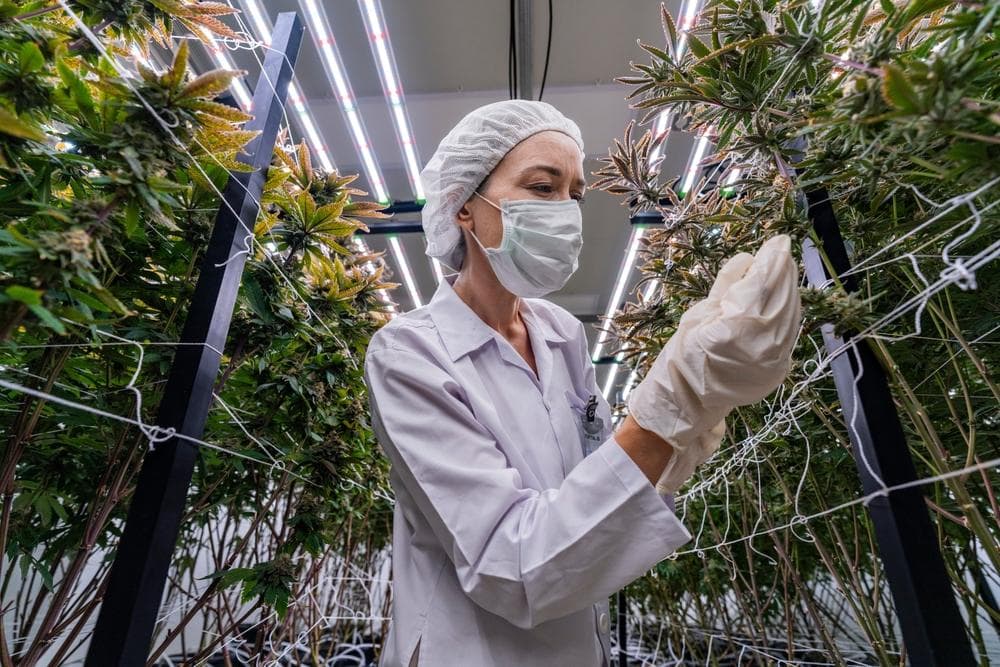
Terpenes are delicate compounds. Genetics, cultivation methods, lighting, climate control, and curing processes all directly influence how well terpenes develop, the concentration of each in the final flower, and how well they remain stable over time.
Poor cultivation practices, improper drying, or inadequate storage can degrade terpenes rapidly. When this occurs, aroma diminishes, flavor becomes muted, and the distinctive character that defined the strain fades, along with the qualities it was known for.
Indoor cultivation offers the greatest control over these variables, which is why GACP-certified facilities dedicate careful attention to environmental management at every stage, from seedling to cure. Sourcing from a trusted cannabis farm in Bangkok that prioritizes controlled environments and precise curing helps ensure the terpene profiles listed on the COA are the ones actually preserved in the flower you receive.
Aroma Tells the Story, Cultivation Keeps It Alive
Learning to read a terpene profile changes how cannabis is chosen, particularly for patients seeking predictable, repeatable results. What once felt like trial and error becomes a decision based on documented composition, and the same profile can be sought out again across future batches.
Medicana Lab cultivates every strain indoors at our GACP-certified facility in Wang Thonglang, Bangkok, with full COA transparency and detailed terpene data provided for every batch. Each report identifies both the dominant terpene and the full profile percentages, giving patients and physicians the exact information needed to make informed choices.
Under Thailand’s Ministry of Public Health 2025 framework, a valid Thai medical prescription is required for all cannabis purchases. At Medicana Lab, prescriptions are issued in-store during your visit, on the same day, with no prior clinic appointment or external doctor needed.
Explore our full range of premium medical cannabis in Bangkok, or connect with our team via LINE @medicanalab or WhatsApp +66-92-247-9799 to discuss cultivar availability and terpene profiles.
References
- The Entourage Effect in Cannabis Medicinal Products: A Comprehensive Review. Retrieved 8 September 2026, from https://www.ncbi.nlm.nih.gov/pmc/articles/PMC11870048/
- Cannabis Sativa Terpenes Are Cannabimimetic and Selectively Enhance Cannabinoid Activity. Retrieved 8 September 2026, from https://www.nature.com/articles/s41598-021-87740-8
Frequently Asked Questions About Cannabis Terpenes
How do terpenes influence the overall effects of cannabis?
Terpenes shape aroma and flavor and also work alongside cannabinoids to influence how a strain is experienced. Through the entourage effect, terpenes and cannabinoids interact with each other and with the body in complementary ways, which is why two cultivars with similar THC percentages can produce noticeably different results. The terpene profile is often what accounts for the difference.
What is the main function of terpenes in cannabis?
Within the plant itself, terpenes serve as a natural defense system, deterring pests and attracting pollinators. For the user, terpenes are among the most significant factors shaping aroma, flavor, and the overall character of a strain. Understanding the terpene profile is one of the most practical methods for predicting how a flower will feel.
Is terpene good or bad for you?
Terpenes are naturally occurring compounds and are generally recognized as safe in the concentrations found in cannabis flower. Many appear in everyday foods, herbs, and spices already part of a normal diet. However, highly concentrated forms, such as those in some vape products, can be irritating to the lungs. Selecting lab-tested flower with transparent COA reporting remains the simplest way to stay informed and safe.
What can you do to maximize the benefits of terpenes?
Select lab-tested cultivars with clear terpene reporting on the COA, and match the profile to your intended experience, whether that is calm, focus, or a mood lift. Store flower properly in an airtight container away from heat and light, as terpenes degrade quickly when exposed to either. Avoid overheating during consumption, since high temperatures can burn off delicate terpenes before they reach you.