
Key Takeaways
Medical grade and recreational cannabis come from the same plant species, but they differ in how they are grown, tested, and regulated. Medical grade cannabis is cultivated under controlled conditions with batch-level lab testing and contaminant screening, while purpose of use and regulatory category set the two apart. In Thailand, only the medical pathway is legal, so GACP certification and COA documentation are the real markers of quality.
The distinction between medical grade cannabis vs recreational goes beyond just different plant varieties. It depends on the plant’s cultivation, analysis, and oversight, as well as the user’s initial motivation. Here is what actually separates the two, and the reason quality standards are important.
Although they are used interchangeably, a notable difference lies between them. In 2026, Thailand’s cannabis laws restrict usage to medical purposes, with recreational sales resulting in legal penalties. Despite this, people still frequently use both terms interchangeably on menus and online.
What Is Recreational Cannabis?
To understand what is recreational cannabis, start with intent: it refers to cannabis used mainly for personal enjoyment or relaxation, rather than to manage a diagnosed condition. In places where it is legal, it is usually sold to adults through licensed retailers without any medical authorization.
The plant itself is the same species as medical cannabis. What changes is the intended use and the regulatory category it falls under, not the biology of the plant. This matters locally because recreational use is not a legal category in Thailand’s current framework, so the comparison is less about picking a side and more about understanding what “medical grade” is measured against.
What Does “Medical Grade” Cannabis Actually Mean?
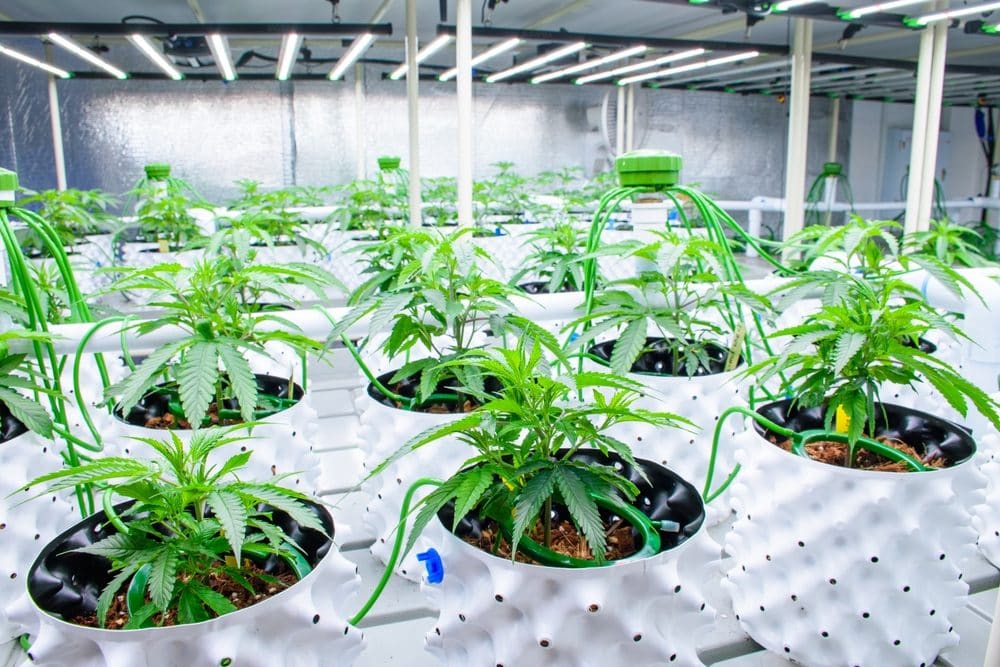
Medical grade describes how cannabis is cultivated and processed, not a special strain. Medical grade cannabis is produced under controlled growing conditions, with documented protocols and consistent cannabinoid targets from one harvest to the next.
In Thailand, cannabis has to meet the Department of Thai Traditional and Alternative Medicine (DTAM) GACP standard to be legally recognized for medical use.
Before release, it goes through contaminant screening for heavy metals, pesticides, and microbial contamination. Batch-level lab testing, often by HPLC, confirms that the actual THC and CBD content matches what the label states, which is what makes dosing predictable.
What Is Medical Grade Cannabis Best For?
Medical grade cannabis is most relevant for people managing an ongoing condition under a doctor’s guidance, where consistent dosing and verified potency genuinely matter. Predictable THC to CBD ratios make it easier for patients and prescribing doctors to adjust use appropriately over time. Documented Certificate of Analysis (COA) results give patients clear visibility into exactly what is in each batch, from cannabinoid percentages to contaminant checks.
In short, “best for” comes down to purpose: medical grade suits anyone who prioritizes consistency, traceability, and prescribed use over guesswork.
Medical Grade vs Recreational: Where the Real Differences Lie
Quality and Testing Standards
In the debate over medical grade cannabis vs recreational, testing rigor is often the clearest practical difference. Medical grade cultivation is generally held to stricter, auditable testing requirements than unregulated or recreational-market products.
Recreational cannabis, where it is legally sold, can still be lab-tested, but the required standard is not always as rigorous or as consistently enforced.
Regulation and Access
Medical access runs through a prescribing doctor and a licensed dispensary, while recreational access typically requires only an age check where it is permitted. In Thailand, only the medical pathway is legal, so the different levels of cannabis here really mean licensed and lab-verified on one side, versus unregulated and unverifiable on the other. Choosing a licensed, tested source ensures compliance.
Medicana’s Standard for Medical Grade Quality in Bangkok
Medicana Lab operates a GACP-certified indoor cultivation facility in Wang Thonglang, Bangkok (Cert No. TH-GACP 16/2569, valid through October 2028). Every batch is independently tested through HPLC potency analysis and separate heavy metals screening, with COA documentation available.
Our clone-based cultivation, automated fertigation, and perpetual crop cycle keep harvests consistent and trichome-rich. Our farm manager also holds DTAM certification in Good Agricultural and Collection Practices for medical cannabis, adding verified expertise behind the standard.
Choose Lab-Tested Medical Grade Cannabis From Medicana
Recreational and medical grade cannabis come from the same plant. What separates them is regulation, testing rigor, and purpose of use, not a different strain. In Thailand, only the medical pathway is legal, which makes GACP certification, HPLC potency testing, and COA documentation the real markers of medical grade quality.
At Medicana Lab, we are a GACP-certified indoor cultivation facility in Bangkok, with every batch independently tested for potency and heavy metals and backed by COA documentation.
Browse medical quality cannabis in Bangkok at Medicana Lab today. See current cultivars, GACP certification details, and COA lab results for every batch, or reach us on LINE @medicanalab or WhatsApp at +66-92-247-9799.
References
- Medicinal vs. Recreational Weed: What’s the Difference? Retrieved on 8 September 2026 from https://www.goodrx.com/classes/cannabinoids/medicinal-vs-recreational-weed-marijuana
- Medical Cannabis. Retrieved on 8 September 2026 from https://www.healthdirect.gov.au/medicinal-cannabis
- Medical Cannabis (Cannabis Oil). Retrieved on 8 September 2026 from https://medlineplus.gov/ency/patientinstructions/000899.htm
- GACP in Thailand. Retrieved on 8 September 2026 from https://gacp.co.th/
Frequently Asked Questions About Medical Grade Cannabis
What is medicinal grade cannabis?
Medicinal grade cannabis refers to how the plant is cultivated and processed rather than a separate strain. It is grown under controlled conditions with documented protocols, screened for heavy metals, pesticides, and microbial contamination, and confirmed through batch-level lab testing such as HPLC. In Thailand, it must meet the DTAM GACP standard to be legally recognized for medical use.
What is medical cannabis best for?
Medical cannabis is most useful for people managing an ongoing condition under a doctor’s supervision, where consistent dosing and verified potency matter. Predictable THC to CBD ratios and documented Certificate of Analysis results make it easier to plan use and adjust appropriately. It suits anyone who values consistency, traceability, and prescribed use.
What are the different levels of cannabis?
In practical terms, the levels range from unregulated cannabis with unknown potency and no contaminant testing, up to lab-verified medical grade cannabis produced under controlled conditions. In Thailand, the legal distinction is between licensed, GACP-certified, lab-tested cannabis and unregulated products, since only the medical pathway is legal.
Is medical grade cannabis legal in Thailand?
Yes, cannabis for medical use is legal in Thailand when accessed through the proper channels. As of 2026, the framework is medical-use only, requiring a valid Thai prescription. Cannabis must meet the DTAM GACP standard to be legally recognized for medical cultivation, which is why GACP certification and COA documentation are important markers of a compliant source.