
Key Takeaways
- A weed hangover refers to lingering next-day effects after cannabis use, including fatigue, brain fog, dry mouth, and mild headache.
- The mechanism differs from an alcohol hangover – cannabis acts through the body’s cannabinoid receptors rather than causing direct dehydration or gut irritation.
- THC’s well-documented effect on sleep architecture, particularly reduced REM sleep, is one of the main reasons people wake up feeling unrested.
- Most cases resolve within a day with hydration, light food, gentle movement, and rest.
- Prevention comes down to smart dosing, timing your last use earlier in the evening, and choosing lab-tested products with verified THC and CBD levels so you can stay within your personal threshold.
A weed hangover is the cluster of lingering next-day effects some people notice after cannabis use: fatigue, brain fog, dry mouth, and a low-grade headache that drags into the morning. Unlike an alcohol hangover, the mechanism is different. Cannabis acts through the brain’s cannabinoid receptors rather than directly dehydrating the body or irritating the gut.
This guide covers what causes next-day tiredness after cannabis use, how THC affects sleep quality, how weed and alcohol hangovers compare, and practical recovery and prevention strategies grounded in current research.
Weed Hangover Symptoms
Common Next-Day Signs
Fatigue and low energy top the list of reported symptoms. Many people also describe a kind of mental fog: slower thinking, harder-to-find words, and trouble holding focus on simple tasks. Headache, dry mouth, dry eyes, mild nausea, and a touch of irritability round out the typical picture. None of these are dangerous on their own, but together they can knock a productive morning sideways.
How Long Do Symptoms Last?
For most people, symptoms peak in the first few hours after waking and fade over the course of the day, usually resolving within a few hours to a full day. Duration depends on dose, consumption method, and individual tolerance. Edibles tend to produce longer next-day effects because THC is metabolized through the liver into a compound that stays in the system longer than inhaled THC. If your symptoms feel unusually persistent, dehydration, a short night of sleep, or mixing cannabis with alcohol may be amplifying them.
Why Do I Feel Tired After Smoking Weed?
THC, Sleep Quality, and Grogginess
If you are wondering why you feel tired after smoking, the answer often lies in how THC affects your sleep. Research consistently links THC to changes in sleep architecture, particularly reduced REM sleep, the stage tied to memory consolidation, mood regulation, and overall mental restoration. Less REM sleep means you can spend a full eight hours in bed and still wake up feeling unrested, which contributes directly to that hazy, low-energy morning feeling. High-THC strains used late at night carry the most risk for next-day tiredness.
Other Causes of Next-Day Tiredness
Overconsumption is the most common trigger. Once you cross your personal threshold, sleep quality drops and the morning suffers. Mixing cannabis with alcohol compounds the issue, since alcohol adds real dehydration and gut irritation on top of the cannabinoid-related sluggishness. Poor sleep hygiene also magnifies the effect: late-night scrolling, heavy meals before bed, and staying up later than usual all stack on top of an already-disrupted sleep cycle.
Weed Hangover vs Alcohol Hangover
Key Similarities
Both share overlapping symptoms: headache, fatigue, brain fog, and mild nausea. Both can take a noticeable bite out of next-day focus, mood, and work performance. For people who use either close to bedtime, the morning can feel similar at a surface level.
Key Differences
The underlying mechanism is what sets them apart. Alcohol is a toxin that causes systemic dehydration, gut inflammation, and the breakdown byproducts that make a classic hangover so unpleasant. Cannabis works primarily through cannabinoid receptors in the brain, with a milder physical footprint. Weed hangovers are generally less severe than alcohol hangovers but can still meaningfully impair the day, particularly after high doses, edibles, or evening use that disrupts sleep.
Weed Hangover Cure: What Actually Helps?
Immediate Relief Tips
The most reliable weed hangover cure starts with the basics. Hydrate properly with water and electrolytes, especially if you also drank the night before. Eat something light and balanced; heavy or greasy food is harder to process when you are already sluggish. Gentle movement, a short walk, light stretching, plus fresh air and natural light, helps reset your energy more effectively than lying in bed scrolling.
Cognitive and Comfort Strategies
Moderate caffeine can lift alertness, but lean on it carefully, since too much can amplify headaches or jitters on top of an already foggy morning. A cool shower and lubricating eye drops handle the physical discomfort. Ease into simple tasks before tackling anything demanding. Avoid driving, operating machinery, or making high-stakes decisions until you feel fully clear-headed.
How to Prevent a Weed Hangover
Smarter Dosing and Timing
Start low and go slow, especially with edibles, where delayed onset is a common reason people accidentally overconsume. Setting a personal cannabis curfew and avoiding use within a couple of hours of bedtime reduces sleep disruption and the morning grogginess that follows.
Choosing the Right Products
Balanced THC and CBD products, or milder strains, tend to cause fewer next-day effects for people who are prone to them. Keep a simple use journal noting dose, strain, time, and how you felt the next morning. Over a few weeks, patterns emerge and finding your personal threshold gets much easier.
Why Cannabis Quality Matters for Next-Day Effects
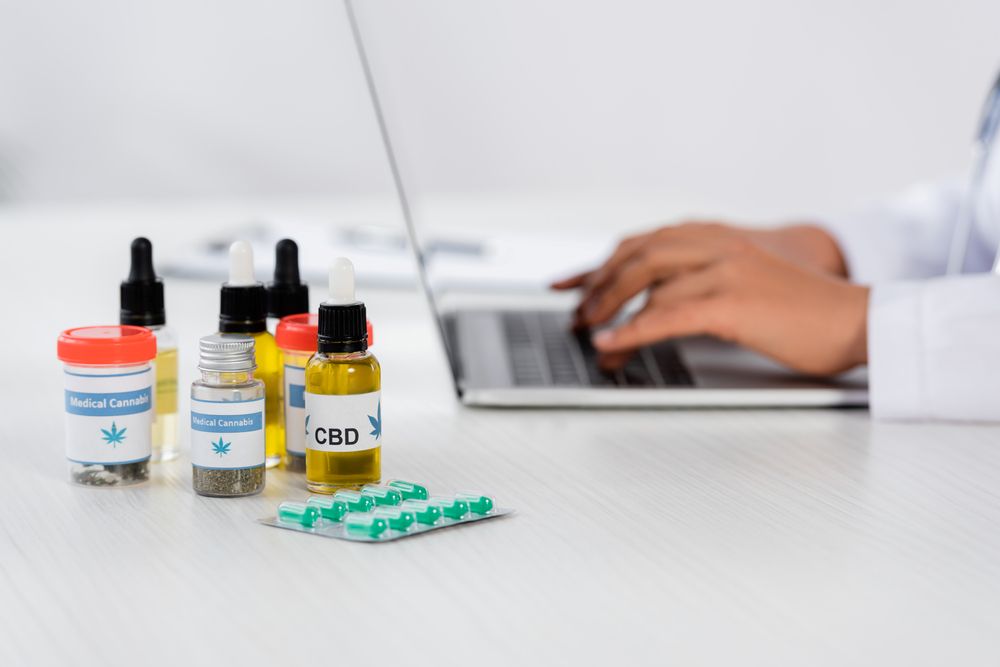
Inconsistent potency turns dosing into guesswork. You cannot stay within a personal threshold if you do not know the actual THC level in what you are using. Contaminants in unregulated products can also worsen headaches, nausea, and brain fog, layering symptoms on top of a normal hangover. Lab-tested, regulated cannabis gives you clear cannabinoid information so dosing under medical guidance is more straightforward. If you are in Thailand and want to reduce next-day effects, choosing lab-tested medical cannabis products in Bangkok is one of the most practical steps you can take. Verified potency through a Certificate of Analysis (COA) gives both you and your prescribing practitioner the data needed for responsible, consistent use.
Smarter Use, Cleaner Recovery
Weed hangovers are real for some people, and how rough they feel comes down to dose, strain, timing, and product quality. Understanding the link between THC, sleep architecture, and next-day tiredness puts you in a better position to use cannabis responsibly under medical supervision and recover faster when next-day effects do appear. Medicana Lab grows indoor, lab-tested cannabis to GACP-certified standards at our licensed Bangkok facility – expect clean inputs, transparent COAs, and consistent results.
Under Thailand’s 2025 medical cannabis framework, a valid Thai prescription is required for all cannabis purchases. To learn more about our cultivars, view product information, or arrange an in-store prescription consultation, contact our team via LINE @medicanalab or WhatsApp at +66-92-247-9799.
References
- What You Need to Know About Cannabis and Sleep. Retrieved on 7 June 2026 from https://www.psychologytoday.com/us/blog/sleep-newzzz/201905/what-you-need-to-know-about-cannabis-and-sleep
- Cannabis and sleep architecture: A systematic review and meta-analysis. Retrieved on 7 June 2026 from https://www.sciencedirect.com/science/article/pii/S1087079225001170
Frequently Asked Questions About Weed Hangover Cure
What is a weed hangover and is it real?
Yes, a weed hangover is real for some users. It refers to lingering next-day effects after cannabis use, typically fatigue, brain fog, dry mouth, mild headache, and a slower mental pace. The mechanism is different from an alcohol hangover: cannabis works through the body’s cannabinoid receptors and influences sleep architecture rather than causing direct dehydration. Severity depends on dose, strain, timing, and individual tolerance, with edibles and high-THC strains used late at night most likely to produce noticeable next-day effects.
Why do I feel so tired the morning after smoking?
The main reason is THC’s effect on sleep quality. THC is consistently linked to reductions in REM sleep, the stage responsible for memory consolidation and mental restoration. Less REM means you can sleep a full night and still wake up feeling unrested. Overconsumption, late-night use, mixing cannabis with alcohol, and poor sleep hygiene all amplify the effect. Lowering your dose and using it earlier in the evening usually makes a noticeable difference.
Does drinking water actually cure a weed hangover?
Hydration helps but is not a complete cure on its own. Water and electrolytes ease dry mouth, headache, and general sluggishness, and they matter even more if alcohol was involved. Combining hydration with light food, gentle movement, fresh air, and rest works far better than relying on water alone. Most symptoms fade within a day with these basics in place.
How can I prevent a weed hangover next time?
Stay within your personal dose threshold, especially with edibles where delayed onset often leads to accidental overuse. Set a cannabis curfew and avoid using it close to bedtime so your sleep is less disrupted. Choose balanced THC and CBD strains rather than purely high-THC products if you are prone to next-day effects. Most importantly, use lab-tested cannabis with verified potency so you can dose accurately and consistently.